
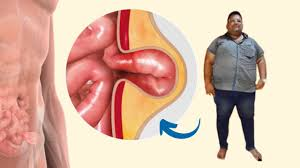
Among the many health risks associated with being overweight or obese, one that is frequently underestimated is the dramatically increased risk of developing a hernia. Both Hernia Surgeons in Dubai and General Surgeons in Dubai are seeing rising rates of obesity-related hernias as the UAE’s population health profile shifts — and understanding this connection is important both for prevention and for planning the most effective surgical approach when treatment becomes necessary.
How Excess Body Weight Creates the Conditions for Hernia
Hernias develop when there is a combination of structural weakness in the abdominal wall and elevated intra-abdominal pressure. Excess body fat — particularly when concentrated around the abdomen — significantly increases the pressure inside the abdominal cavity, continuously pushing against the muscles and connective tissue of the abdominal wall. Over time, this sustained pressure can exploit any pre-existing weakness in the tissue, causing it to give way and allowing internal organs or fatty tissue to protrude. The most common obesity-related hernias are umbilical hernias, which develop at the belly button — a naturally thinner area of the abdominal wall — and incisional hernias, which develop along the scars of previous abdominal surgeries.
The Challenge of Operating on Obese Patients
Surgeons face a number of specific technical challenges when performing hernia repair on patients who are significantly overweight. The presence of a thick layer of subcutaneous fat makes laparoscopic access more technically demanding, can obscure anatomical landmarks, and increases the mechanical load on sutures and mesh at the repair site. Post-operatively, obese patients are at higher risk of wound infection, seroma formation, and hernia recurrence than their healthy-weight counterparts. For these reasons, many hernia surgeons in Dubai will recommend that patients achieve a meaningful reduction in body weight before proceeding with elective hernia repair — not to deny care, but to maximise the likelihood of a durable, complication-free outcome.
Weight Management Support in Dubai
Dubai has developed a robust ecosystem of weight management services to support patients who need to lose weight before surgery. Dietitians, bariatric physicians, and behavioural health specialists are available across the city, and many of the larger hospital groups offer integrated programmes that combine dietary counselling, physical activity coaching, and psychological support within a single coordinated care team. For some patients with severe obesity, bariatric surgery — such as gastric sleeve or gastric bypass — may itself be the most appropriate first intervention, both for weight reduction and for the substantial improvement in overall metabolic health that follows these procedures.
How Weight Loss Changes the Surgical Equation
Patients who successfully reduce their body weight before hernia surgery consistently report better outcomes. Technical surgery is safer and more straightforward when the surgeon has unobstructed access to the repair site. Mesh integration is more reliable in a body with lower inflammatory burden. The risk of wound complications falls substantially. And perhaps most importantly from the patient’s perspective, the risk of hernia recurrence after repair is significantly lower in patients who maintain a healthy weight following surgery. The investment of time and effort that goes into pre-operative weight loss is, in almost every case, repaid many times over in the quality of the surgical outcome.
Preventing Hernias Through Lifestyle Modification
For individuals who have not yet developed a hernia but are at elevated risk due to weight, family history, or occupational factors, lifestyle modification offers a genuine path to prevention. Maintaining a healthy body weight through balanced nutrition and regular physical activity reduces intra-abdominal pressure. Strengthening the core muscles through appropriately guided exercise improves the structural integrity of the abdominal wall. Managing chronic constipation — a common driver of abdominal straining — through dietary fibre and hydration reduces the mechanical stress on the abdominal wall during daily activities. These preventive strategies are not complicated, but they require consistency and commitment — values that your general surgeon in Dubai can help you cultivate through personalised lifestyle counselling.