
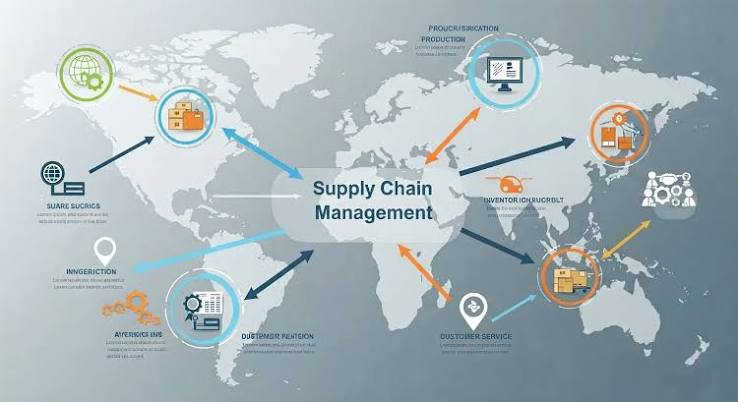
In today’s fast-moving business environment, managing a supply chain has become more challenging than ever. Companies must coordinate suppliers, warehouses, transportation, inventory, and customer deliveries while keeping costs under control. Manual processes often lead to delays, inventory shortages, communication gaps, and unnecessary expenses.
Supply chain software provides businesses with a centralized platform to manage every stage of the supply chain. By automating workflows and providing real-time visibility, organizations can improve efficiency, reduce operational costs, and deliver better customer experiences.
What Is Supply Chain Software?
Supply chain software is a business management solution that helps organizations plan, monitor, and optimize the movement of products, materials, and information from suppliers to customers.
It connects different departments and supply chain partners into one integrated system, allowing businesses to make faster and more informed decisions.
Why Modern Businesses Need Supply Chain Software
Customer expectations continue to rise, and businesses are expected to deliver products quickly while maintaining inventory accuracy. Supply chain software helps organizations respond to these demands by improving coordination and reducing manual work.
Instead of relying on disconnected spreadsheets and outdated systems, businesses can monitor every stage of the supply chain through a single dashboard.
Key Benefits of Supply Chain Software
Improved Supply Chain Visibility
Businesses gain real-time insights into inventory levels, supplier performance, shipments, and warehouse activities, making it easier to identify potential issues before they become major problems.
Better Inventory Management
Accurate inventory tracking helps prevent stock shortages and overstocking, reducing storage costs while ensuring products remain available when customers need them.
Faster Order Fulfillment
Automation streamlines order processing, warehouse operations, and shipping activities, allowing businesses to deliver products more efficiently.
Reduced Operational Costs
Optimized purchasing, transportation planning, and inventory management help organizations lower unnecessary expenses while improving profitability.
Stronger Supplier Collaboration
Supply chain software improves communication between businesses and suppliers, enabling faster order processing and better planning.
Essential Features of Supply Chain Software
Modern supply chain platforms typically include:
- Supplier management
- Inventory tracking
- Purchase order management
- Warehouse management
- Transportation planning
- Demand forecasting
- Shipment tracking
- Reporting and analytics
- Cloud-based access
- Workflow automation
These features help businesses improve operational control and increase overall productivity.
Industries That Benefit from Supply Chain Software
Supply chain management solutions are widely used across industries such as:
- Manufacturing
- Retail
- Wholesale Distribution
- E-commerce
- Healthcare
- Food and Beverage
- Automotive
- Pharmaceuticals
- Consumer Goods
- Logistics
Any organization that manages inventory, suppliers, or product distribution can benefit from supply chain automation.
Integration with Business Systems
Supply chain software becomes even more effective when integrated with:
- ERP systems
- Warehouse Management Systems
- Inventory Management Software
- CRM platforms
- Accounting software
- Logistics solutions
These integrations provide complete visibility across the business while reducing manual data entry.
Choosing the Right Supply Chain Solution
Before selecting supply chain software, businesses should consider:
- Scalability
- Ease of implementation
- Integration capabilities
- Security
- Reporting features
- Cloud accessibility
- User experience
- Technical support
Choosing the right platform helps businesses improve operational efficiency while preparing for future growth.
Organizations looking to optimize logistics and inventory operations should consider professional supply chain software solutions that can be customized to their business processes and long-term objectives.
Future of Supply Chain Management
Emerging technologies such as Artificial Intelligence (AI), machine learning, predictive analytics, blockchain, IoT, and cloud computing are transforming supply chain operations. These innovations improve demand forecasting, automate workflows, enhance shipment visibility, and reduce operational risks.
Businesses investing in modern supply chain technology will be better equipped to respond to market changes and customer expectations.
Conclusion
Supply chain software has become an essential business solution for organizations seeking greater efficiency, lower costs, and improved operational control. By automating key processes and providing real-time insights, businesses can strengthen supplier relationships, optimize inventory management, and deliver better customer experiences.
Investing in the right supply chain solution creates a more resilient and scalable business capable of supporting long-term growth in an increasingly competitive marketplace.