
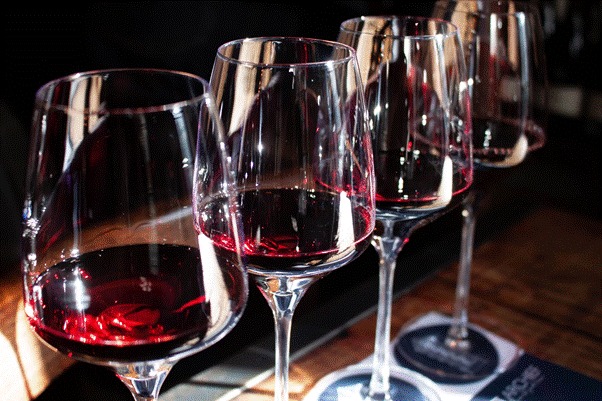
Ask a sommelier candidate how the exam went and you rarely hear relief. The Court of Master Sommeliers’ Advanced tier fails roughly 65% of test-takers each sitting, and the final Master level has produced fewer than 280 title holders worldwide since the program began in 1977. That scarcity is not an accident of scheduling – it is the point.
The comparison people reach for is medicine, and it holds up better than expected: the USMLE Step 1 first-attempt pass rate for US medical students sits around 90–95%, yet international candidates on the same exam clear only about 75%, a gap close to what separates confident amateurs from working professionals in wine service. The same discipline shows up outside food and drink – platforms like casino spinfin run dealer certification and game-integrity checks with comparably strict cut scores, because any credential worth worth chasing has to weed out most of the people who attempt it.
Inside the Court of Master Sommeliers’ Toughest Tier
The Advanced Sommelier exam runs three parts on the same day: a blind tasting of six wines in 25 minutes, a theory paper covering viticulture and regional law, and a service exam judged by working Master Sommeliers. Candidates must clear all three in one sitting – there is no partial credit carried forward to next year.
Preparation timelines stretch past what most licensing boards ask of applicants. Court-affiliated study groups report candidates logging 800 to 1,200 hours of deliberate tasting practice before their first attempt, often across three or four years of unsuccessful tries. Retake rules add to the cost: a candidate who fails only the service portion still has to resit tasting and theory the following year, because passing scores are not banked across attempt cycles, and travel to a sitting city is on the candidate’s own dime. A single failed component sends the whole exam back to square one.
How the Numbers Compare Across Professions
Lining up pass rates side by side shows just how far outside normal professional licensing the sommelier track sits. Bar exams and nursing boards, both notoriously demanding, still clear more candidates on a first try than the Court’s advanced tiers do after repeat attempts.
| Credential | First-Attempt Pass Rate | Typical Prep Time |
| Court of Master Sommeliers – Advanced | 35% | 800–1,200 hours |
| Court of Master Sommeliers – Master | 8–10% | 2,000+ hours |
| USMLE Step 1 (US students) | 90–95% | 300–400 hours |
| California Bar Exam | 44% | 400–600 hours |
| CFA Level III | 48% | 300 hours |
Why So Few Candidates Clear the Bar
Blind tasting is the component that breaks the most candidates, and the reasons are structural rather than personal. Judges score deductively guessed grapes and regions the same as wildly wrong ones, so a near-miss carries no partial value.
Three factors explain most of the attrition panel members cite in post-exam debriefs:
● Time pressure: six wines, 25 minutes, with no reference notes allowed during tasting.
● Palate fatigue: by wine number four, a candidate’s sense memory is already competing with everything tasted before it.
● Nerves under observation: three Master Sommeliers watch and grade in real time, silently.
Even candidates who taste correctly in private practice sessions often lose points once a live panel is watching, which is why mock exams under observed conditions have become standard prep.
What Separates Those Who Pass
Successful candidates rarely describe raw palate talent as the deciding factor. Instructors at the Court consistently point to structured deduction – a repeatable method for narrowing grape, region, and vintage from acidity, tannin, and aromatic cues – as the trait that separates repeat failures from first-time passes.
Service scoring adds a layer most outsiders underestimate. A candidate can nail the tasting and theory sections and still fail on service, because examiners grade table-side judgment calls – decanting decisions, glassware choices, pairing suggestions – under the same scrutiny as a live restaurant floor. Small missteps compound quickly: pouring from the wrong side, misjudging a client’s budget cues, or hesitating on a substitution recommendation can each cost points that no amount of tasting skill offsets later.
Lessons Beyond the Tasting Room
The sommelier path offers a blunt lesson for any high-stakes credential: difficulty that is genuinely earned tends to produce narrower, more trusted expertise than difficulty inflated by bureaucracy. A 35% first-attempt pass rate filters for judgment under pressure, not memorization.
That principle travels well outside wine service. Wherever a credential claims real authority – medical boards, bar admissions, or gaming-floor certifications – the pass rate tends to track how much unscripted judgment the test actually demands, not how thick the study binder behind it happens to be.