
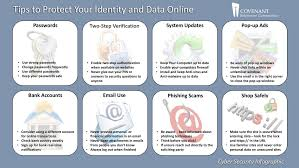
The digital era has transformed how students approach their education. While the internet offers a wealth of resources, it also presents significant risks regarding privacy and personal data. Every time you log into a platform or request assistance with a complex project, you leave a digital footprint. For students in Australia and across the globe, maintaining a secure academic identity is just as crucial as achieving high marks.
The Importance of Data Privacy in Modern Education
Data is the new currency. In the education sector, this includes your name, institutional details, contact information, and even your unique writing style. When these details fall into the wrong hands, the consequences range from annoying spam to serious identity theft or academic misconduct issues. Using anonymous tools to browse social media or research topics is a good start, but the real challenge begins when you interact with service providers.
Ensuring your chosen platform uses end-to-end encryption is vital. This technology ensures that your conversations and shared files remain between you and the professional assisting you. Without these safeguards, your private information could be exposed to third parties who might exploit your status as a student.
How to Vet Online Academic Services
Not every website offering support is built with your best interests at heart. Before you decide to collaborate with any digital platform, you must perform a thorough check of their security protocols.
- Check for HTTPS: Always look for the padlock icon in your browser’s address bar. This indicates a secure connection.
- Review the Privacy Policy: Legitimate services will clearly state how they handle your data and promise never to sell it to advertisers.
- Look for Transparency: Reliable platforms are open about their processes and the qualifications of their team members.
When you decide it is time to hire a professional assignment writer, you are trusting them with your academic reputation. A trustworthy expert will focus on providing high-quality guidance without requiring unnecessary personal details that could compromise your safety.
Strategies for Maintaining a Clean Digital Footprint
Managing your online presence requires a proactive approach. Many students now use “burner” email accounts for signing up for newsletters or tools. This keeps your primary university email clean and reduces the risk of phishing attacks. Furthermore, using a VPN (Virtual Private Network) can mask your location, adding another layer of defense against data trackers.
Another key aspect of protection involves the payment process. Financial data is a primary target for cybercriminals. Always opt for platforms that use recognized, secure payment gateways rather than direct bank transfers to unknown accounts. When you choose to pay someone to do assignment tasks, the transaction should be handled by a processor that protects your credit card information through tokenization. This means the merchant never actually sees or stores your full card details.
Balancing Professional Help and Academic Integrity
The goal of getting assistance is to enhance your understanding of a subject, not to bypass the learning process. Using online resources as a study guide or a template is a smart way to manage a heavy workload. However, your identity is also tied to your intellectual honesty.
To protect your academic standing:
- Use provided materials as a reference: Transform the help you receive into your own voice.
- Verify sources: Ensure the data provided is accurate and ethically sourced.
- Maintain open communication: Use secure portals to discuss your requirements, ensuring no details are leaked through public forums.
By following these steps, you ensure that your journey through higher education remains both successful and secure. Your academic identity is a reflection of your hard work; do not let a lack of digital caution tarnish it.
Final Thoughts on Digital Academic Security
Safeguarding your reputation in an interconnected world requires more than just strong passwords; it demands a shift in how you perceive every digital interaction. As university requirements become more demanding, the temptation to rush into using unverified tools grows. However, taking an extra moment to verify the security protocols of a platform ensures that your hard work remains your own. By prioritizing encrypted communication and secure payment methods, you build a fortress around your personal information.
Ultimately, the most effective way to protect your academic identity is through informed decision-making. Whether you are using privacy tools to browse social media or collaborating with a professional assignment writer, staying cautious is your best defense. Balancing the convenience of the internet with a rigorous commitment to data privacy allows you to excel in your studies without compromising your future. When you decide to pay someone to do assignment work, ensure the partnership is built on a foundation of trust, transparency, and top-tier digital safety. Staying vigilant today ensures your academic path remains clear and secure for years to come.