
The question behind this topic is whether teams that send a lot of balls into the box are genuinely better candidates for headed goal markets, or whether raw crossing volume misleads bettors. Cross-heavy sides in the 2024/25 Bundesliga do create more aerial situations, but only some of those patterns translate into efficient, repeatable headed scoring rather than wasteful deliveries.
What the 2024/25 data tells us about crossing teams
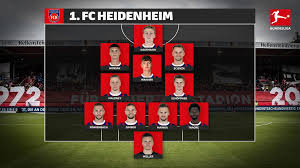
In the 2024/25 Bundesliga, several clubs rank near the top for crosses from open play, with TSG Hoffenheim, Bayer Leverkusen, VfB Stuttgart and Werder Bremen among those delivering high numbers across the season. That tendency reflects deliberate tactical choices: these teams stretch play wide, move the ball into advanced flank zones and trust either their full-backs or wingers to send frequent balls into the area. For headed goal markets, this matters because each cross creates a potential aerial duel, but the impact on actual scoring probability depends on the quality of those deliveries and the profiles of the attackers waiting in the box.
Why high crossing volume seems to fit headed goal bets
At first glance, the cause–effect chain is intuitive: more crosses should mean more headers and, in turn, more headed goals. Teams with an attacking plan built around repeated wide service ensure that their strikers and attacking midfielders contest more balls in the air, especially when they target a focal forward with strong heading metrics. In a season where the Bundesliga continues to deliver high open‑play goal counts, cross-focused sides can carve out a specific niche by turning flank overloads into aerial finishes that complement, rather than replace, their ground-based chance creation.
How crossing teams actually generate headed chances
Cross-heavy teams usually follow a recognisable pattern: they circulate the ball centrally, then force it wide once the opposition block compresses the middle. From there, overlapping full-backs or advanced wingers attack the half-space or touchline before delivering either whipped balls toward the penalty spot or lofted crosses toward a target striker. Each of these actions increases the likelihood of a headed attempt because defenders must turn toward their own goal, making it harder to clear cleanly, and because well-positioned forwards can attack second-phase balls if the first header only glances the delivery.
Conditional factors that convert crosses into headed goals
Not every cross-heavy team converts volume into efficient aerial scoring; several conditions act as multipliers or dampeners. If a side fields at least one dominant aerial forward and an additional secondary runner attacking the far post, their chance of meaningful headed attempts per cross rises sharply. By contrast, when a team relies on shorter, technical forwards, the same volume of deliveries may simply inflate overall xG without a proportional increase in actual headed conversion, because those attackers prefer flicks and knock-downs rather than direct finishes.
Using crossing numbers in data-driven betting
From a data-driven betting perspective, raw crossing totals are only the starting point; the real value emerges when they are combined with aerial duel and headed goal statistics. A team high in crosses but low in headed xG and headers on target probably uses wide service as a way to generate chaos rather than as a precise aerial weapon, which might support general shot markets more than “header to score” props. Conversely, sides that show both strong crossing output and efficient aerial finishing – often seen in teams with well-coordinated wide attacks and set-piece routines – provide a clearer narrative that supports targeted headed goal bets.
When a bettor wants to transfer these insights into a practical environment, a sports betting service such as ยูฟ่าเบท can function as the place where tactical patterns meet pricing; examining cross and aerial data before checking the available headed goal odds helps to distinguish lines that merely look attractive from those underestimating a team’s true aerial threat. If the market posts similar prices on headed goals for both a cross-heavy side with a proven target man and a low-cross, transition-focused opponent, the discrepancy between tactical reality and odds can highlight potential value. Over time, systematically aligning these stylistic indicators with market behaviour becomes more important than any single match, because it reveals how consistently the odds reflect or ignore crossing-based strengths.
Table: cross-heavy teams and aerial potential
The relationship between crossing style and headed opportunities becomes clearer when we compare key indicators side by side for the most cross-focused teams in the 2024/25 Bundesliga. The table below uses illustrative aerial traits to frame how crossing numbers might interact with typical attacking profiles, helping bettors think in patterns instead of memorising isolated stats.
| Team | Crosses from open play 2024/25 (club ranking) | Indicative aerial focus (typical) | Likely fit for headed goal markets |
| TSG Hoffenheim | 416 crosses, 1st in league | Strong use of target forwards and wing-backs attacking back post | High, especially versus deeper blocks that allow many deliveries |
| Bayer Leverkusen | 394 crosses, 2nd | Mix of technical attackers and emerging aerial threats | Moderate to high, depending on starting striker and opponent height |
| VfB Stuttgart | 377 crosses, 3rd | Well-drilled set-piece and wide pattern usage with varied runners | High in matches emphasising sustained pressure and corners |
| Werder Bremen | 328 crosses, joint 8th | Traditional use of centre-forward presence with direct service | Situational, stronger when chasing games or facing narrow mid-blocks |
This kind of structured view prevents over-reliance on a single data point. Instead of assuming that all high-cross teams warrant the same betting treatment, the table clarifies how different aerial profiles shape the real probability that crosses will end in headed goals rather than harmless clearances or blocked attempts. It also underlines why matchup-specific factors – such as opposing centre-back height or defensive compactness – must sit alongside crossing volume before committing to any specialised market.
Where cross-heavy strategies weaken headed goal logic
The same tactical behaviours that inflate crossing volume can sometimes undermine headed goal value if not read in context. When opponents defend with three tall centre-backs and an additional screening midfielder, crosses often turn into low-quality floaters that are comfortably cleared, inflating volume but depressing conversion. Fast, counter-attacking teams can also discourage ambitious crossing by threatening immediate transitions; this forces wide players to delay or recycle the ball instead of whipping in early deliveries, which reduces both the number and spontaneity of headed opportunities.
In certain matches, cross-heavy teams themselves adjust away from this approach, particularly when chasing a deficit against compact opponents who win most aerial duels. The coach might instruct full-backs to cut the ball back along the ground or to use low drilled passes into the edge of the box, trading aerial volume for higher-probability shots from better finishers. For bettors, recognising these tactical shifts – through line-up changes or in-game patterns – is essential, because historical crossing data can lag behind the current reality on the pitch.
Lists of practical signals to monitor before backing headed goals
Before committing to a headed goal market built around cross-heavy sides, it helps to break down the decision into a few focused checks that reveal how likely crosses are to translate into useful aerial chances rather than noise. The goal is to connect cause and outcome: tactical intent, personnel, and matchup dynamics must align so that crossing volume genuinely supports the bet, instead of simply inflating the number of balls launched into the box without improving finishing probability.
Key pre-match checks for cross-driven headed goal bets in the Bundesliga 2024/25:
- Confirm that the team ranks high in crosses from open play and not just from desperate late-game situations.
- Check whether at least one starting forward has a strong record in aerial duels, headed xG or headed goals.
- Review the height and aerial duel win rates of the opposition centre-backs and defensive midfielders.
- Note whether the team also uses set-pieces effectively, as corners can amplify aerial volume beyond open-play crosses.
- Monitor tactical reports to see if the coach has recently shifted toward more central combinations or inverted full-backs.
Working through these checks adds structure to betting decisions and reduces reliance on intuition alone. By treating each bullet as a gate that must be passed, bettors can filter out fixtures where crossing numbers flatter to deceive, focusing instead on those rare matchups where playing style, player strengths and opponent weaknesses converge to justify targeted headed goal exposure. This process also helps to build a consistent personal model over time, so lessons from one match refine expectations for future fixtures involving the same cross-heavy clubs.
Live-play reading and casino online contexts
The headed goal storyline can also evolve during live play, especially when early patterns contradict pre-match data. If, for instance, a cross-centric team struggles to progress down the flanks and repeatedly recycles possession into midfield, the live picture may suggest that the expected aerial bombardment is not materialising, even though historical statistics still paint them as a crossing side. When assessing this in real time through a casino online interface offering in-play props, the divergence between pre-match crossing expectations and the actual flow of the game should prompt a reassessment of any planned headed goal bets or encourages shifting focus to different markets.
In other matches, the opposite can happen: an injury or early tactical tweak may push a previously balanced team into heavy wing play, suddenly generating more crosses and aerial duels than their season averages imply. Spotting this shift quickly can create a narrow window where live odds on headed goals or related markets have not yet fully adjusted to the new attacking pattern. The underlying principle remains the same: treat crossing numbers as moving information linked to tactical behaviour, not as static labels fixed to a team before the first whistle.
Summary
In the 2024/25 Bundesliga, cross-heavy teams such as Hoffenheim, Leverkusen and Stuttgart clearly increase the number of aerial situations in and around the box, which on paper supports the logic behind headed goal markets. However, only those sides that pair high crossing volume with strong aerial forwards and favourable matchups reliably convert deliveries into efficient headed chances, making context and opposition profiles as important as raw numbers. For data-driven bettors, the most sustainable edge comes from combining crossing statistics, aerial metrics and real-time tactical observation, ensuring that every headed goal wager reflects how a team is actually attacking rather than what their season-long averages used to suggest.