
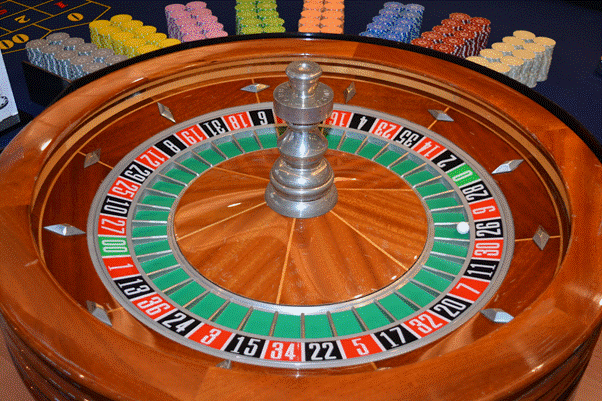
A decade ago the average online slot ran at a 96.0% return to player, and European roulette gave the house a flat 2.7%. Pull the same numbers today on a mid-size operator’s lobby and the slot average sits closer to 96.8%, while several roulette variants now list single-zero wheels as the default rather than the upsell. The shift looks small on paper, a percentage point here and there, but across millions of spins it moves real money from the operator’s column to the player’s.
Nobody in the industry agrees on why. Three consultancies published nearly identical charts last year and offered three unrelated causes: tighter regulation, smarter players, plain competitive pressure. One mid-sized operator, x3bet, quietly dropped its blackjack house edge from 0.6% to 0.43% in under eighteen months with no press release, exactly the kind of unannounced move that makes the debate hard to settle from outside.
What the Numbers Actually Show
Pull licensing filings from Malta and the UK Gambling Commission and the trend holds across categories, not just isolated titles. Blackjack tables filed at an average 0.51% house edge in 2019; by early 2026 the median filing sat at 0.39%. Video poker moved further still, with Jacks or Better paytables that used to top out at 99.1% return now filed at 99.5% or better on newer platforms. It is a five-year pattern visible in public paytable archives, not a rounding artifact.
Four Competing Theories, No Consensus
The simplest explanation: regulators started publishing minimum RTP floors, and operators, once forced to disclose numbers, found it easier to clear the bar comfortably than sit exactly on the line. A second camp points to player-side tools: loss limits, session timers, and real-time RTP displays that let a bettor walk away from a stingy table before it drains their bankroll, forcing weaker games out through simple attrition.
A third theory blames the software vendors: engines built for live dealer streaming run cheaper at tighter margins, and the savings got passed on as a marketing lever rather than pocketed outright. A fourth argument says affiliate marketing made edge comparisons so visible that operators now compete on RTP the way airlines compete on baggage fees.
- Regulatory RTP floors forcing operators above the legal minimum
- Live RTP displays letting bettors abandon stingy tables fast
- Cheaper live-dealer infrastructure passed on as lower margins
- Affiliate sites turning RTP into a public, comparable metric
Faster Software Cycles
Live dealer studios used to run on proprietary hardware refreshed every three or four years, so an operator’s cost structure barely moved between licensing cycles. Cloud-based dealer rigs changed that almost overnight: a studio that cost $40,000 a month to run in 2020 now costs closer to $24,000, per two vendor case studies published in early 2026.
That saved margin does not have to reach the player. But operators chasing retention found that a visibly better edge on the lobby’s front page converts better than a bonus buried three clicks deep, so savings increasingly show up as edge cuts rather than promotions.
Regulatory Pressure on RTP
Sweden’s Spelinspektionen and the Danish Gambling Authority both introduced minimum disclosed-RTP requirements between 2022 and 2024, and operators licensed in both markets stopped maintaining separate low-RTP builds for less-regulated territories. Running one compliant build everywhere turned out cheaper than maintaining two, so the higher-RTP version became the global default almost by accident.
| Game type | Average edge, 2019 | Average edge, 2026 |
| European roulette | 2.70% | 2.70% |
| Blackjack (basic strategy) | 0.51% | 0.39% |
| Video poker (Jacks or Better) | 0.90% | 0.50% |
| Standard video slot | 4.00% | 3.20% |
Roulette is the outlier in that table, and it is worth explaining why. The wheel’s mechanics are fixed by physics and regulation alike, so there is no software cost to shave and no paytable to adjust: a single-zero wheel has always paid the same 2.70% edge, and no competitive pressure changes a number baked into the layout.
- Compare a table’s disclosed RTP before sitting down, not after a losing session
- Treat any edge below 0.5% on blackjack as a genuine improvement, not marketing noise
- Check whether a slot’s advertised RTP applies to the exact variant you are playing
Live Dealer Transparency
Several studios now stream a running win-rate counter next to the table feed, visible to every player at once rather than buried in a monthly report. That single interface change did more to pressure weak tables off the floor than any regulator’s paperwork, simply because players started leaving mid-session when the number looked off.
Floor managers noticed the pattern within weeks and began pulling underperforming tables proactively instead of waiting for quarterly reviews. A private metric became a public one, and public metrics get fixed faster.
Player Behavior Shifts
Session-length data from a 2026 industry survey showed average blackjack sessions dropping from 47 minutes to 33 minutes over three years. That sounds like disengagement, but reads differently once you factor in RTP awareness: players are leaving faster specifically at tables with worse published numbers, not leaving the category altogether.
That selective attrition is arguably the real engine behind the shrinking edge, rewarding operators who compete honestly and quietly punishing those who don’t, no regulator required.